Ironman Portugal 2022
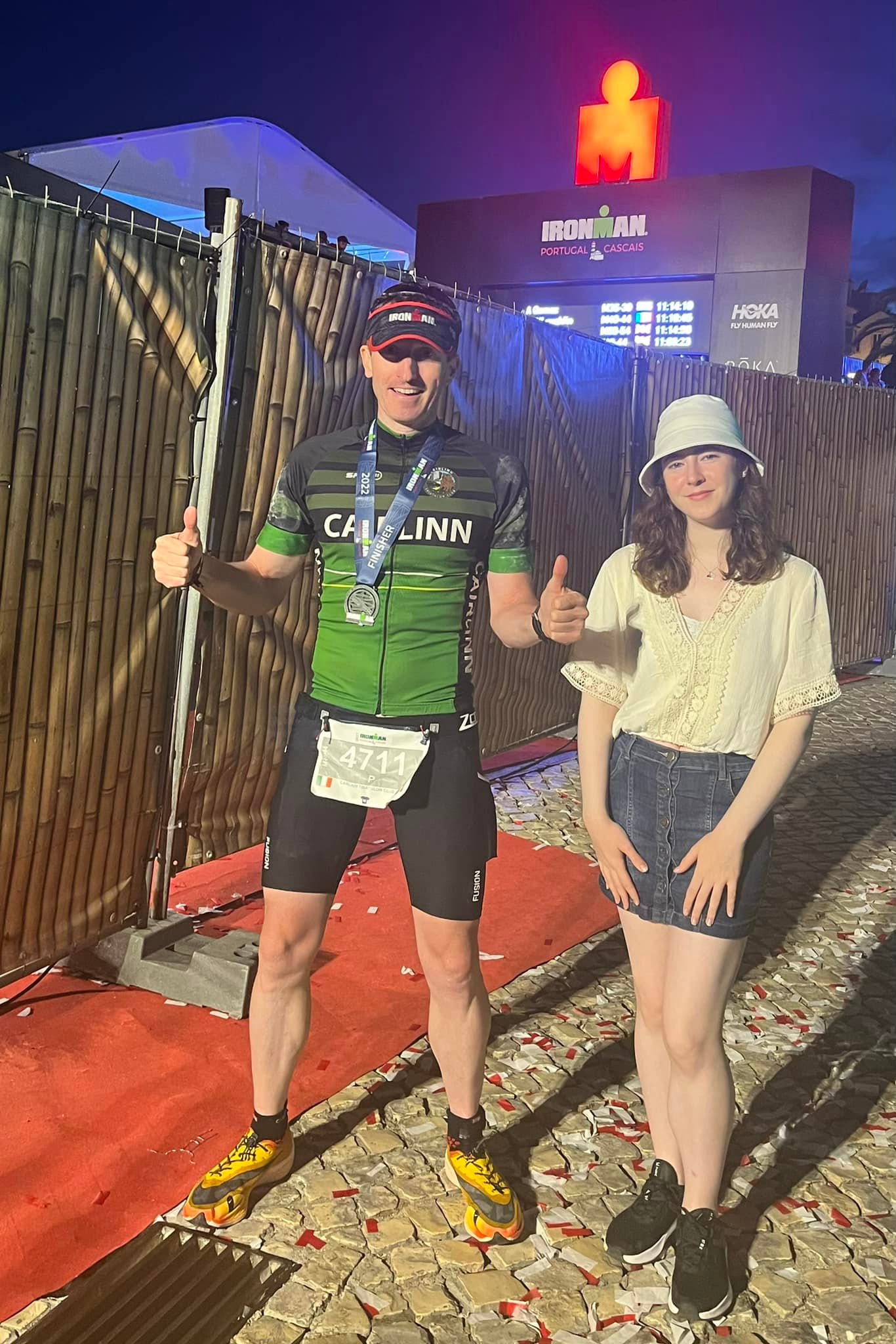
Competing in Ironman Portugal, Dundalk athlete Paul Savage completed the full Ironman distance in a finish time of 10 hours 49 minutes in a demanding day of racing.
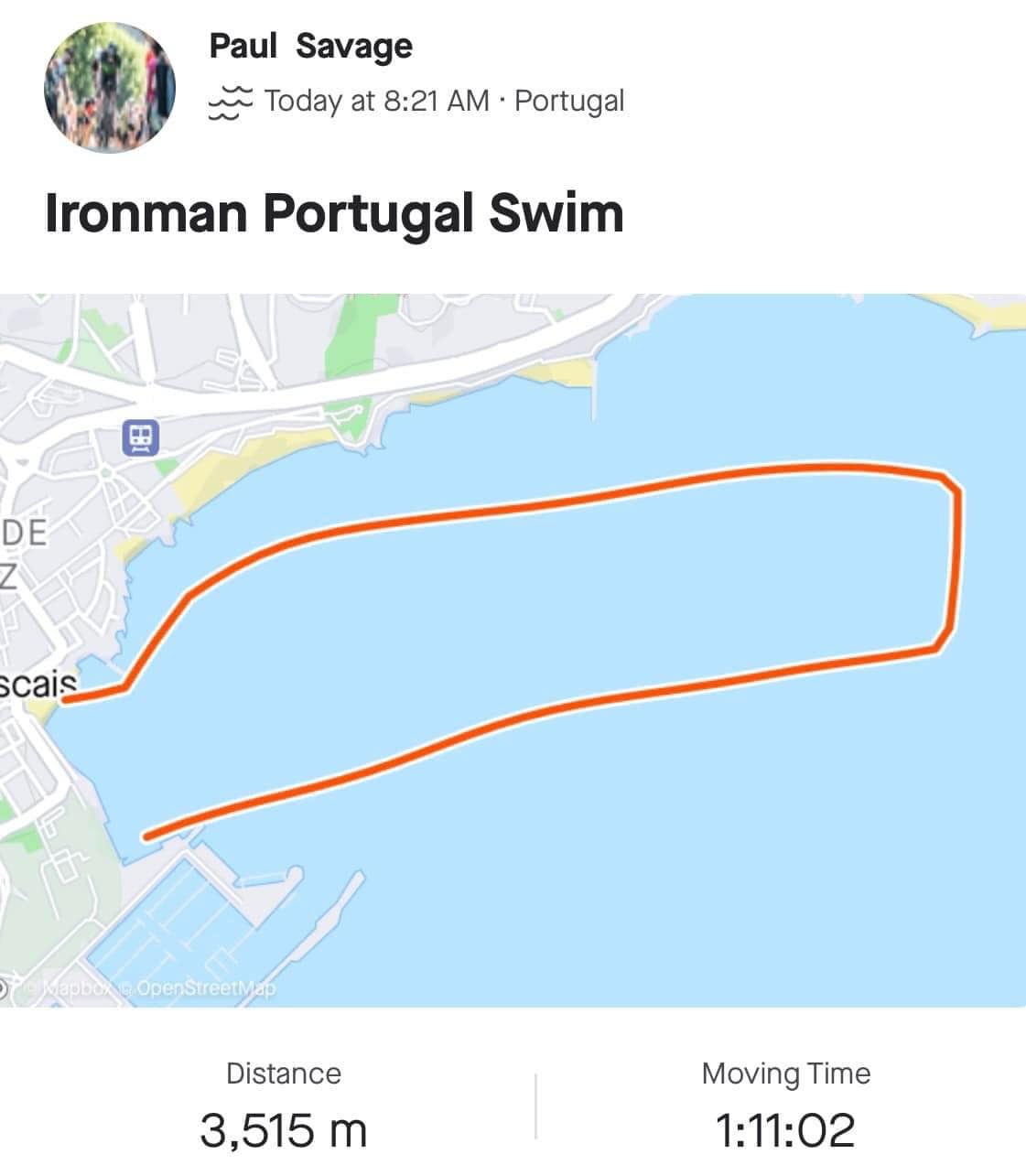
The race began with the 3.8 kilometre swim. The swim required steady pacing and sensible positioning, to set a solid foundation for the long day ahead without overreaching early in the race. The opening section of the swim around the harbour was smooth, allowing for a comfortable rhythm and clean sighting. As the course moved further out into the ocean, conditions became noticeably more challenging. Choppier water required stronger focus on timing for a breath and body position, with waves breaking up momentum and making it harder to maintain a consistent stroke. Managing these changing conditions was key to exiting the water in good shape and conserving energy for later in the day. Swim time was 1 hour 11 minutes.
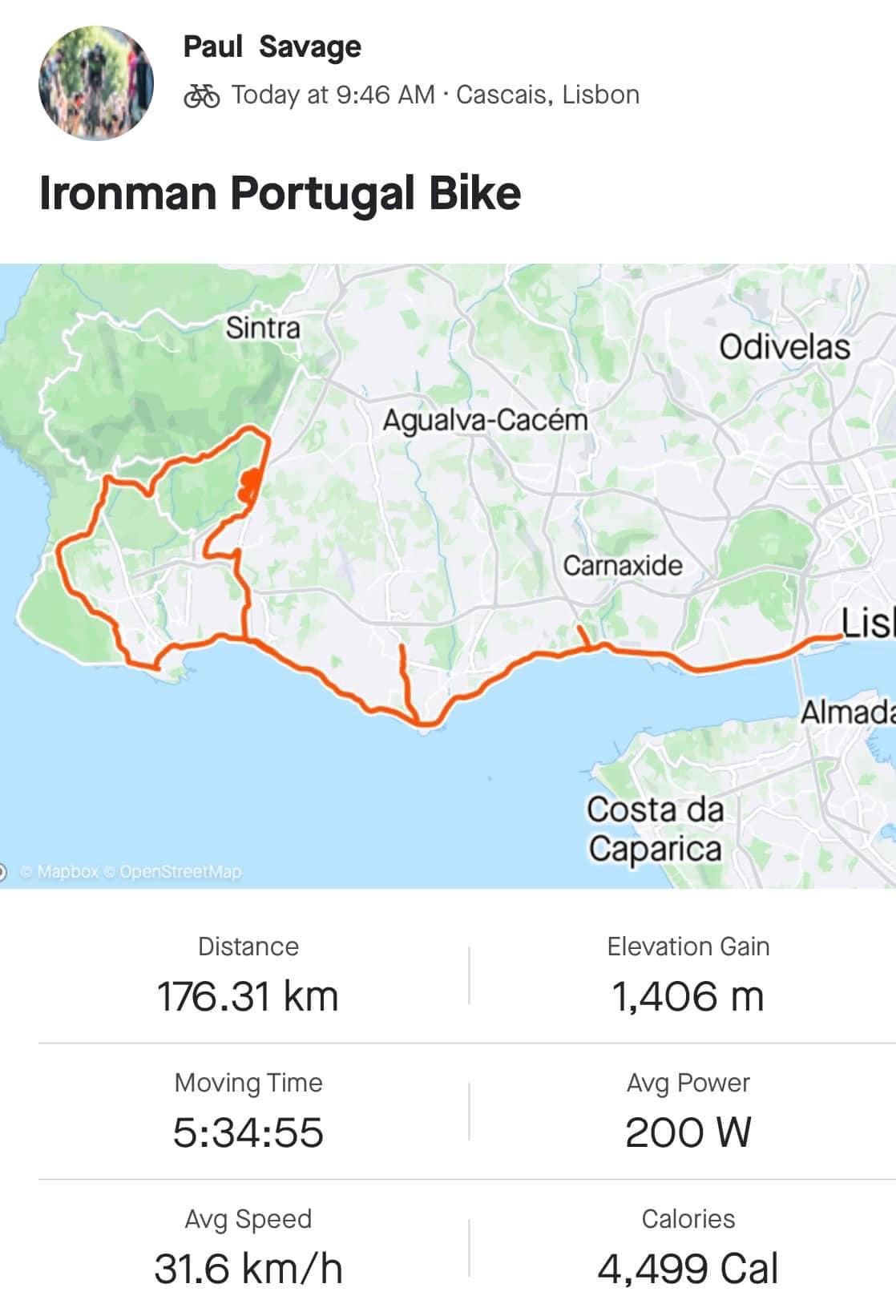
The 180 kilometre bike leg followed, and was managed with a controlled and consistent effort over the full distance. The two lap bike route was both beautiful and challenging, taking athletes through a varied landscape that required constant changes in effort and focus.
The course included a mixture of climbs through the national park at Sintra, where steady pacing and efficient climbing were essential, followed by long, fast flat sections stretching all the way towards the Ponte 25 de Abril bridge in Lisbon to the turn around point. The flatter sections on the way back towards Cascais were made more demanding by persistent headwinds, placing an emphasis on discipline and energy management.
A key part of the strategy on the bike was fuelling correctly and conserving energy into the wind, ensuring hydration and nutrition were maintained throughout. This approach helped preserve strength for the final discipline and set up the opportunity for a strong marathon run to finish the race. The bike route was completed in 5 hours 34 minutes.
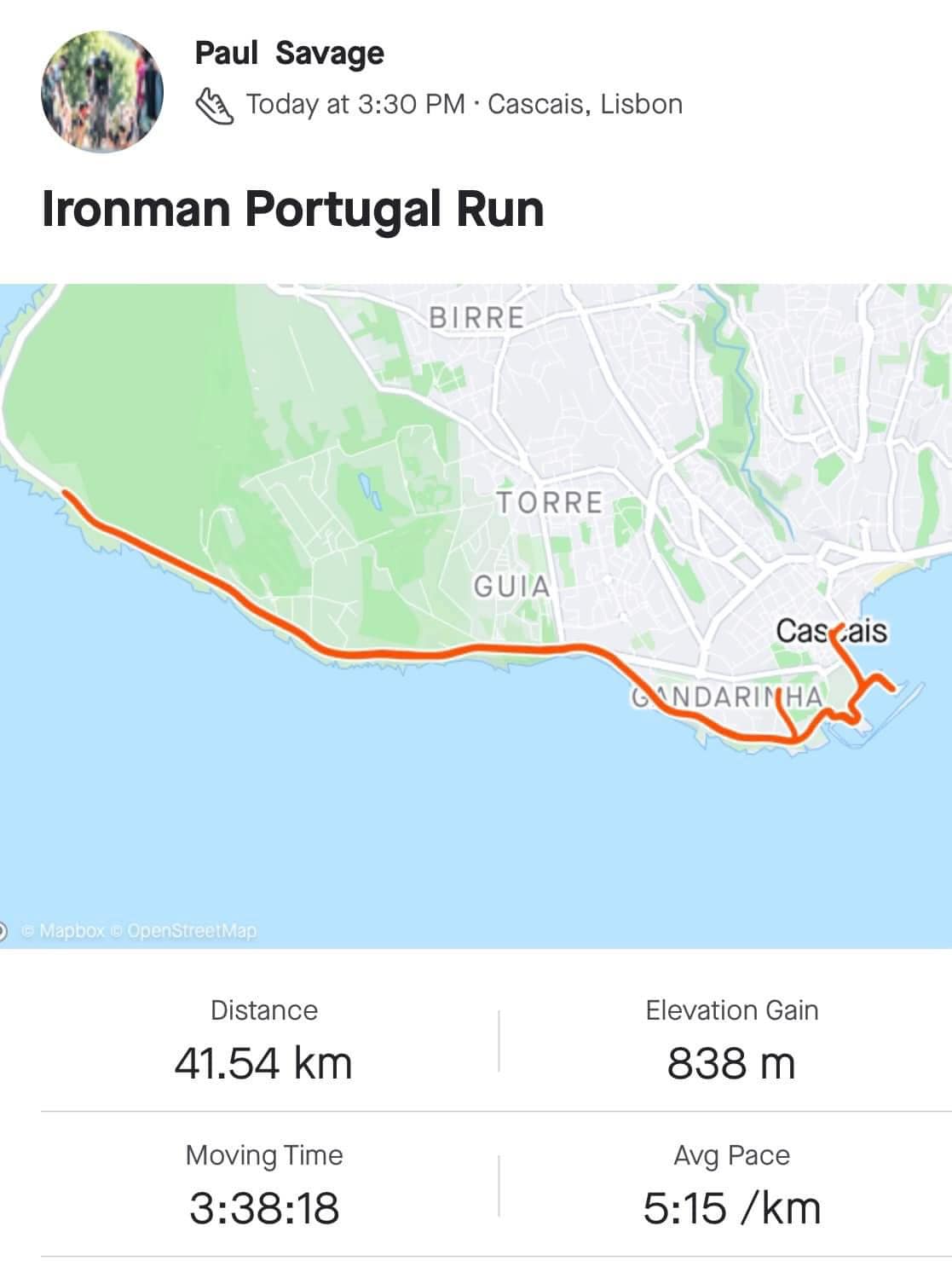
The run course in Cascais is a demanding mix of flat sections and long continuous drags leading out towards the lighthouse. These stretches required patience and controlled pacing, particularly as fatigue set in during the later stages of the marathon.
The atmosphere through the town of Cascais was electric, with the large crowd support providing a welcome lift and encouragement in and around the turn around point. This energy was in sharp contrast to the more isolated sections on the course out towards the lighthouse and back in, where runners have to manage the section alone with their own thoughts. Stiff headwinds on the outward leg added an extra challenge, testing resilience up to the turn around point at the light house.
The final 10 kilometres became a test of resilience and energy management. At this stage it was about hanging in, maintaining momentum, and making full use of each aid station to fuel and hydrate properly. Taking on nutrition at every opportunity was key to preventing an energy slump and keeping pace steady through the closing kilometres.
Staying focused on simple targets and managing effort allowed the run to be brought home strongly, despite the accumulated fatigue from the earlier stages of the race.
The 42.2 kilometre run was completed in 3 hours 38 minutes.